
Obaggo Recycling Completes Successful Pilot with Triton Ties
- David New
- Feb 2
- 3 min read


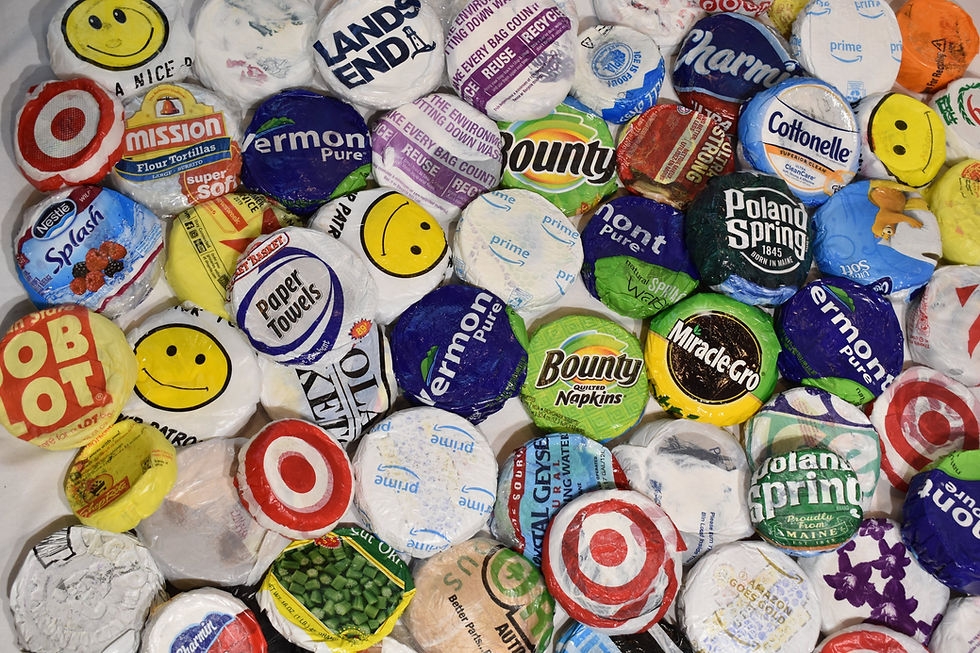
Obaggo Recycling has reached an exciting new milestone in our mission to transform plastic bag and packaging film waste into valuable products. We’re thrilled to announce the successful completion of our pilot test with Triton Ties, a leader in composite railroad tie manufacturing. Together, we demonstrated that the disks created by Obaggo users can be recycled into high‑performance composite railroad ties — a durable, sustainable alternative to traditional wood ties.

Why This Matters
Plastic bags and flexible packaging film are among the most difficult materials to recycle. They clog sorting equipment, contaminate recycling streams, and most often end up in landfills or pollute the environment. Obaggo was created to change that — by giving households and small businesses a simple way to densify this material into clean, uniform disks that can be efficiently collected, transported and repurposed.
Our pilot with Triton Ties proves that these disks aren’t just recyclable — they’re valuable.

The Pilot: From Obaggo Disks to Triton Ties
During the pilot, Obaggo users collected their plastic bags and packaging film, processed them into compressed disks, and returned them to us through our partnership with Helpsy, one of the largest textile collection companies in the northeast. We then shipped these disks to Triton Ties, where they were blended with other recycled plastics and molded into composite railroad ties.


The results were outstanding:
Material compatibility: Obaggo disks integrated seamlessly into Triton Ties’ manufacturing process.
Mechanical performance: The resulting ties met Triton’s durability and strength requirements.
Environmental impact: Every tie produced diverts plastic waste from landfills and replaces chemically treated wood.

This pilot confirms that Obaggo disks can serve as a reliable feedstock for industrial‑scale manufacturing — a major step toward building a circular economy for flexible plastics.
Why Composite Railroad Ties Are a Game‑Changer
Traditional wood railroad ties require chemical preservatives, degrade over time, and must be replaced frequently. Composite ties offer clear advantages:
Longer lifespan
Resistance to rot, moisture, and insects
Reduced maintenance costs
No toxic preservatives that leach into the environment
Made from recycled materials
By turning plastic waste into infrastructure, we’re not just recycling — we’re upgrading.

Local Waste into Local Infrastructure
What makes this pilot especially meaningful for us here in the Boston area is the possibility that Obaggo disks collected by local households could eventually return to our community as part of the MBTA’s rail system. Triton Ties’ composite railroad ties are already used in transit and freight applications across the country, including the MBTA commuter rail system. The plastic bags and packaging film densified in Greater Boston may one day help support the very trains our neighbors ride every day. It’s a powerful example of true circularity — local waste becoming local infrastructure.
What’s Next for Obaggo
This pilot is only the beginning. We’re now exploring:
Expanded partnerships with additional manufacturers
Regional collection systems
Community‑level recycling programs

Our vision is simple: every plastic bag and piece of packaging film should have a second life.
If you’re an Obaggo user, thank you — your disks helped make this pilot possible. If you’re new to Obaggo, we invite you to join us as we build a cleaner, more circular future.


This is great! I have a question or two (as usual!) There's a Helpsy bin not far from me (in the general Philadelphia area). Do they send you Obaggo disks, or are you only working with the 2 Helpsy locations closer to you? Also, I've been wondering whether I can sort of sneak in #2 yogurt tops with the #2 film I put into an Obaggo. They're white and relatively small. I'm not sure they recycle so well, since they're so lightweight. Thanks again for all you're doing with your plastic recycling efforts!
Anne